Predator X
The most dangerous creature to ever patrol Earth’s oceans — discovered in the Arctic permafrost.
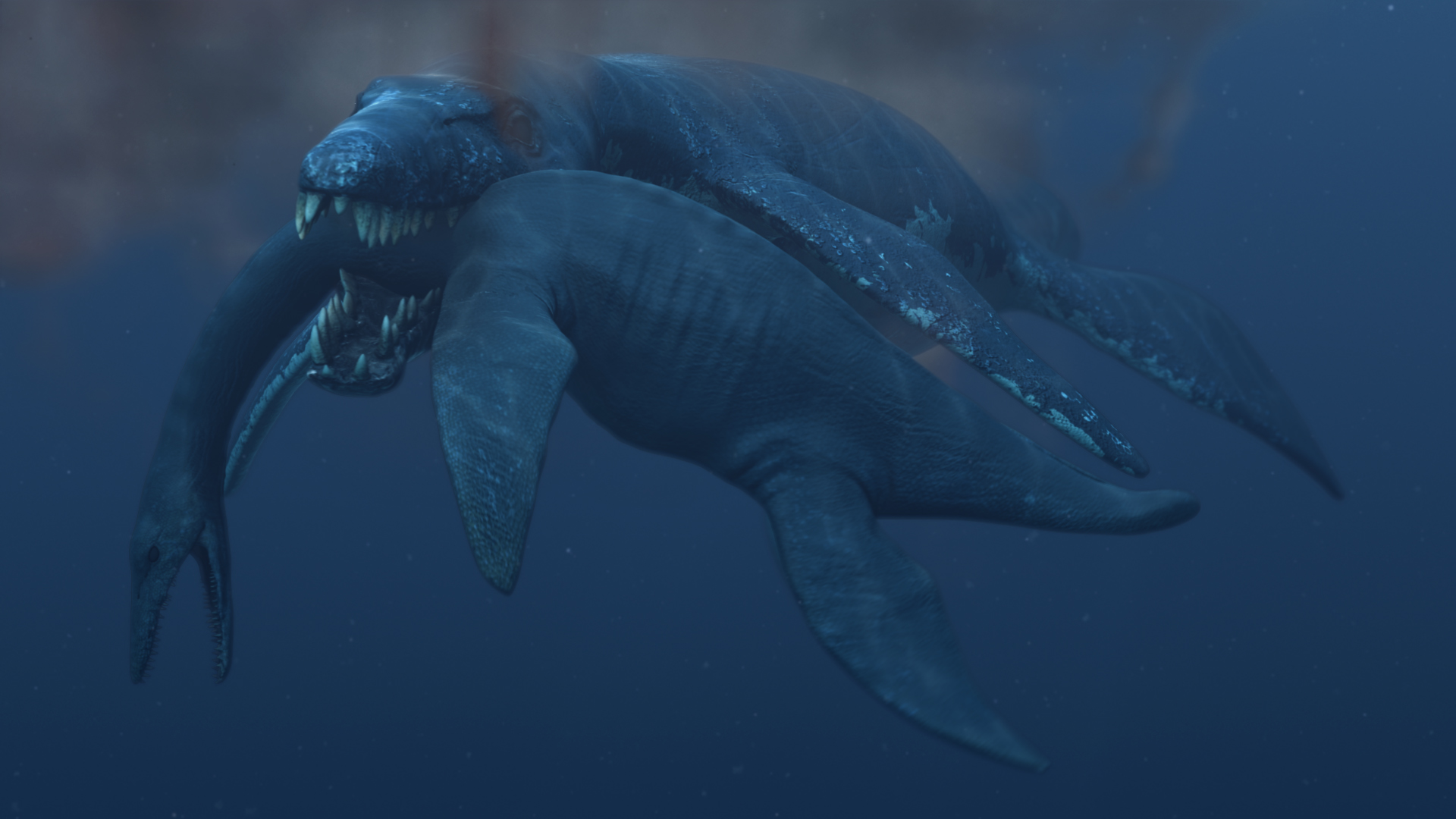
147 million years ago, a 50-foot marine reptile ruled the Jurassic seas with a bite force more than ten times that of any animal alive today — four times that of a T-Rex. In 2008, it was found frozen in the Arctic permafrost of Svalbard. This film was there.
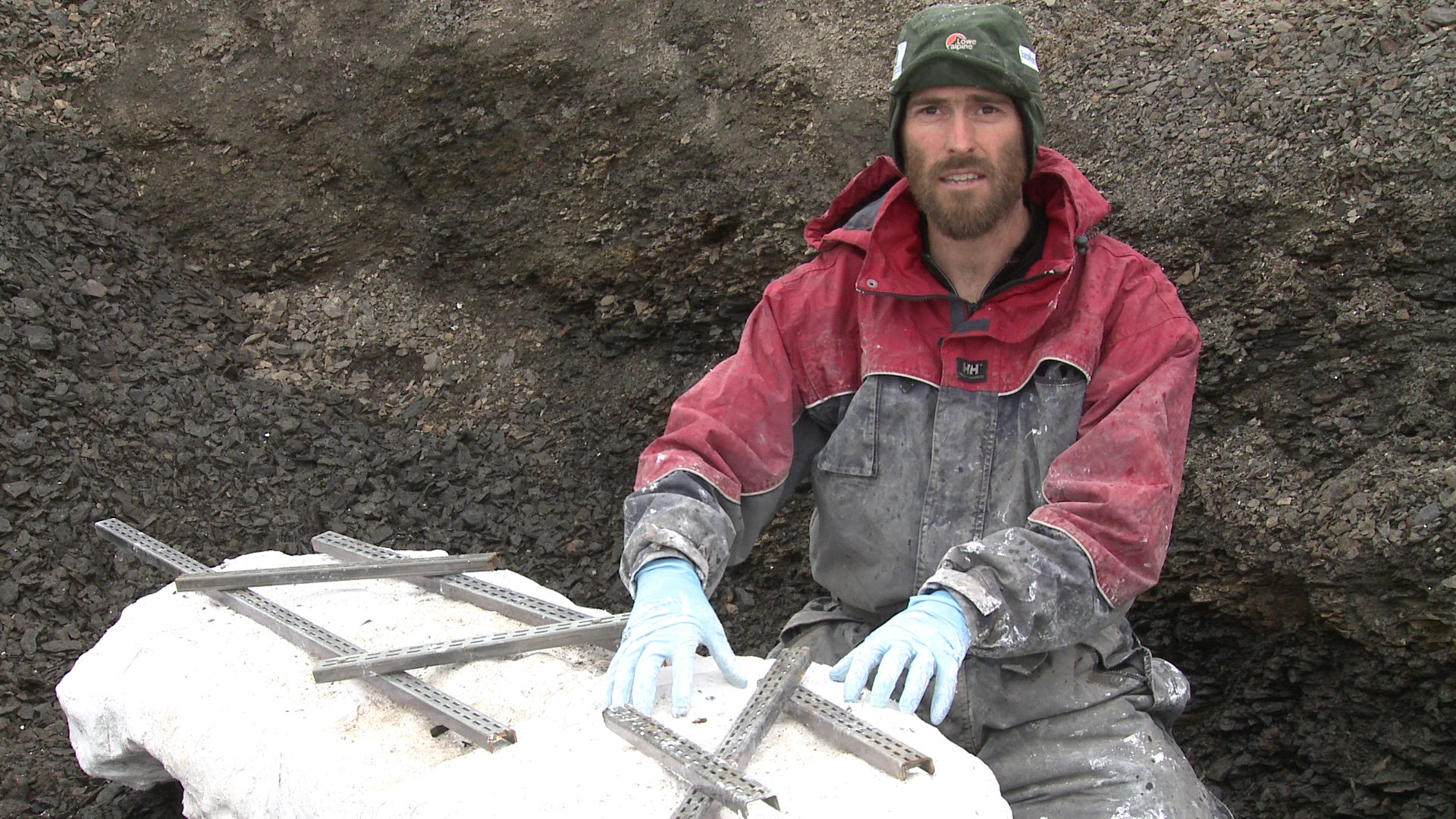
Led by Dr. Jørn Hurum of the Natural History Museum, University of Oslo, an international team of palaeontologists excavated the partial skull of what would become known as Predator X — a new species of pliosaur, and one of the largest marine predators ever discovered. The skull alone dwarfed anything previously found. The condyle — the bone connecting skull to spine — measured six inches in diameter, double that of a T-Rex, confirming a creature of almost incomprehensible scale and power.
What followed was a year of extraordinary scientific investigation. Biologists, mechanical engineers, and evolutionary specialists were brought in from across the world to decode how Predator X moved, hunted, and killed. Wind tunnel tests calculated the hydrodynamic properties of its four enormous flippers. Industrial CT scanners revealed the architecture of its brain. And at a Florida alligator farm, its bite force was calculated at 33,000 pounds — a figure that had never been recorded for any creature in history.
Screened on History in the US and distributed by BBC Worldwide, Predator X follows the full arc of discovery — from the moment Dr. Hurum spotted bones emerging from the Arctic earth, to the scientific revelations that rewrote our understanding of life in the Jurassic oceans.